 0845 8623840
Insights
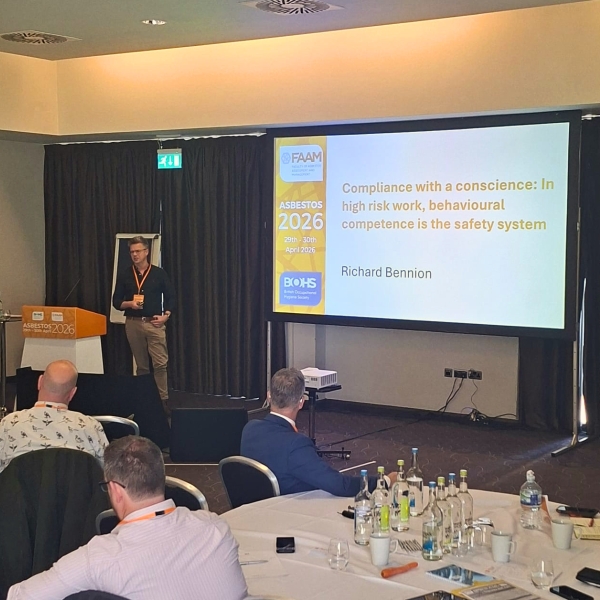
In High-Risk Work, Behavioural Competence Is The Safety System.
Date: 30/04/26
Every safe outcome begins with someone choosing to do the right thing. Risks are typically compounded when behaviours slip, and poor performance undermines good practices. When it comes to asbestos management, exposure carries very real, serious long-term health consequences, which is why complacency cannot be tolerated.
As providers of independent, compliance-focused asbestos assurance, we offer balanced, impartial support that strengthens governance, raises standards, reduces risks, and enables dutyholders to meet their obligations under UK asbestos regulations. We've had significant success in helping dutyholders working in high-risk environments understand how well their arrangements work in practice and whether they are genuinely compliant.
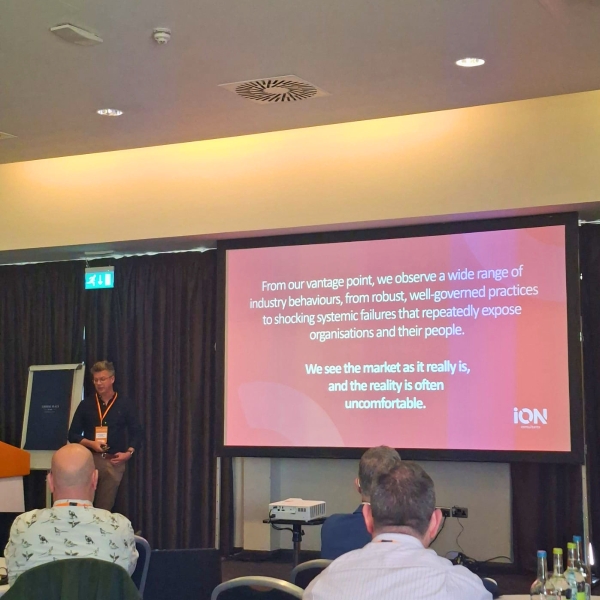
From our vantage point, we observe a wide range of industry behaviours, from robust, well-governed practices to shocking systemic failures that repeatedly expose organisations and their people. We see the market as it really is, and the reality is often uncomfortable.
Weaknesses persist because poor behaviours go unchallenged. Too often, organisations blindly assume compliance when it does not exist. We are determined to call out poor practice; we can no longer look away. As a sector, we must confront these issues openly, expose them, challenge them, and raise standards together. Asbestos-related disease remains the leading cause of occupational fatalities in the UK, and the situation will not change unless we do.
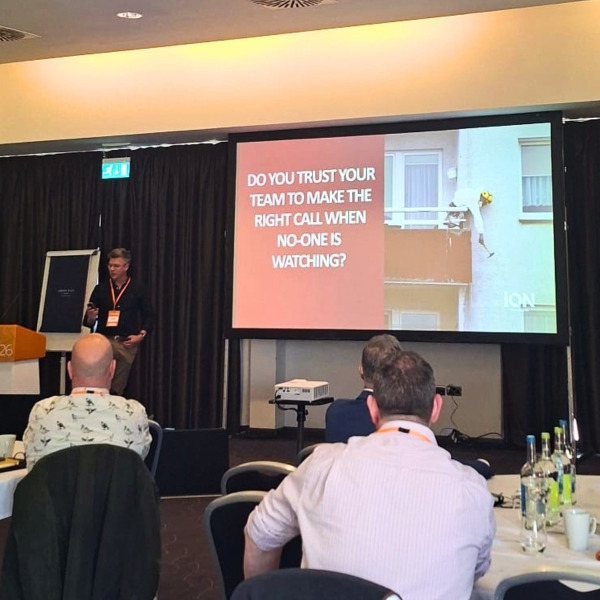
Do you really know how your employees and suppliers behave when no one is watching? Do you measure the quality of their real?world decisions? Without robust processes, reliable escalation procedures, and a safety culture that permeates your supply chain, you’re relying on hope rather than assurance.
As safety practitioners, we were very interested in the wider learning from the Grenfell Tower Inquiry. Failure to act, “systemic dishonesty," and “persistent indifference” were just some of the behavioural failings that led to the disaster. It rightly provoked widespread grief and outrage, raising the question of why the ongoing loss of thousands of lives a year to asbestos is largely overlooked. We believe that the findings and recommendations of the Grenfell Tower Inquiry should be explicitly expanded into other high-risk safety frameworks.
Following the catastrophic Grenfell Tower disaster, the BS8670 Competence Framework explicitly positioned behaviour as a core requirement for building safety. It includes integrity, decision-making, accountability, communication, collaboration, and commitment to a positive safety culture as key attributes.
While most asbestos safety frameworks almost exclusively focus on technical and procedural competence, with skills, knowledge and experience evidenced by qualifications and audits, some are beginning to provide guidance on behavioural competence. Despite its technical scope, HSG248 outlines competency expectations, such as courage to challenge and professional scepticism, albeit in Appendix 9. The FAAM Code of Ethics includes ethical standards for professionals working with asbestos, highlighting integrity, impartiality, professionalism, and confidentiality as essential components of their role.
These frameworks represent best practice but are they sufficient in helping dutyholders navigate asbestos management, or do they fall short in practice? The reality is that many dutyholders will struggle to locate and understand these documents. They are produced by different organisations and rely on technical terminology that makes them difficult for non?experts and dutyholders to use with confidence. The guidance is often placed in appendices or is only accessible via a subscription; only the HSG248 is freely available. Notably, these frameworks only set out expectations. They do not provide behavioural assessment tools or clear examples of best practice, resulting in inconsistent application and varying standards of care across the industry.
During a recent site visit, we observed a fully qualified and approved asbestos surveyor wearing inappropriate respiratory protective equipment (RPE). Given the nature of the work and the requirement for a secure face seal, it was impossible for the surveyor to achieve an effective seal due to his large beard. A hooded respirator would have been a suitable alternative in this scenario, but the surveyor chose not to wear one.
Failing to select the correct RPE is a critical lapse in individual responsibility and accountability. Section 7 of the Health and Safety at Work etc. Act 1974 states that people must take reasonable steps to protect their own and others' health and safety. As someone expected to model good practice and act as an ambassador for asbestos safety, the surveyor’s behaviour fell short of expectations. However, the incident also raised concerns about the dutyholder’s due diligence in employing the individual in question.
We have also identified shortcomings in the escalation of risks. A recent audit highlighted a potentially critical incident involving damaged asbestos-containing materials. However, this issue was not raised on the day, work continued, and the correct escalation procedures were not followed. Instead, the findings were recorded only in a written report submitted a week later. This delay meant that building occupants may have been unknowingly exposed to asbestos. This incident highlights a breakdown in professional judgement and a failure to consult and communicate correctly. Ultimately, an opportunity to prevent an avoidable risk was missed.
Furthermore, we have encountered numerous instances in which analysts have felt pressured to approve an area despite having legitimate concerns. Contract deadlines, handover pressures and commercial expectations can all influence decisions. In such situations, it is crucial that the industry empowers analysts to have the courage to withhold clearance, even if the decision delays the contract or upsets the client! Organisations must create environments in which analysts feel they can seek advice, escalate issues, and raise concerns about poor performance. Professional integrity requires decisions to be based solely on safety outcomes and compliance rather than the convenience of external pressures.
Safe environments are created when people are empowered to make the right decisions, take responsibility, and act with integrity. The lessons from Grenfell remind us that systemic failures are rarely technical. Poor behaviour and weak practice must be interrogated and challenged. To prevent avoidable risks, we must confront uncomfortable truths, strengthen governance, raise expectations and embed behavioural competence at every level of asbestos management.
At iON Consultants, we are actively involved in raising professional standards through audits, training and assurance. We believe that behavioural competence is the backbone of a safety system and the difference between paper compliance and actual quality performance. We work with our clients to genuinely shift outcomes by addressing risks within cultures, leadership, data quality, skill sets, and performance. We know what good looks like and how to achieve it.
If you want to understand how well your arrangements work in practice and where improvements would have the greatest impact, please contact us. Together, we can drive meaningful change.
Images
Click an image to enlarge: